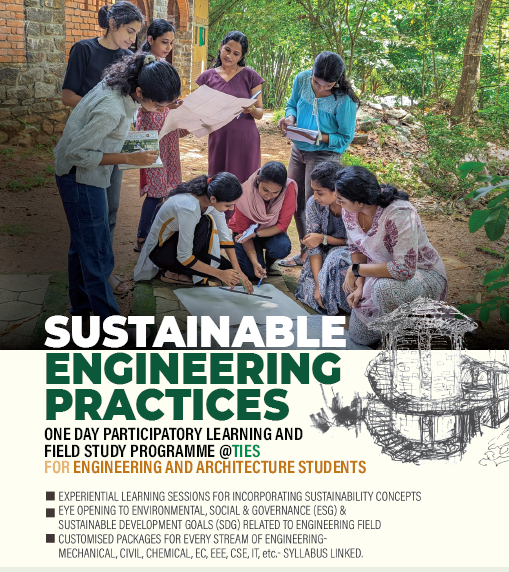
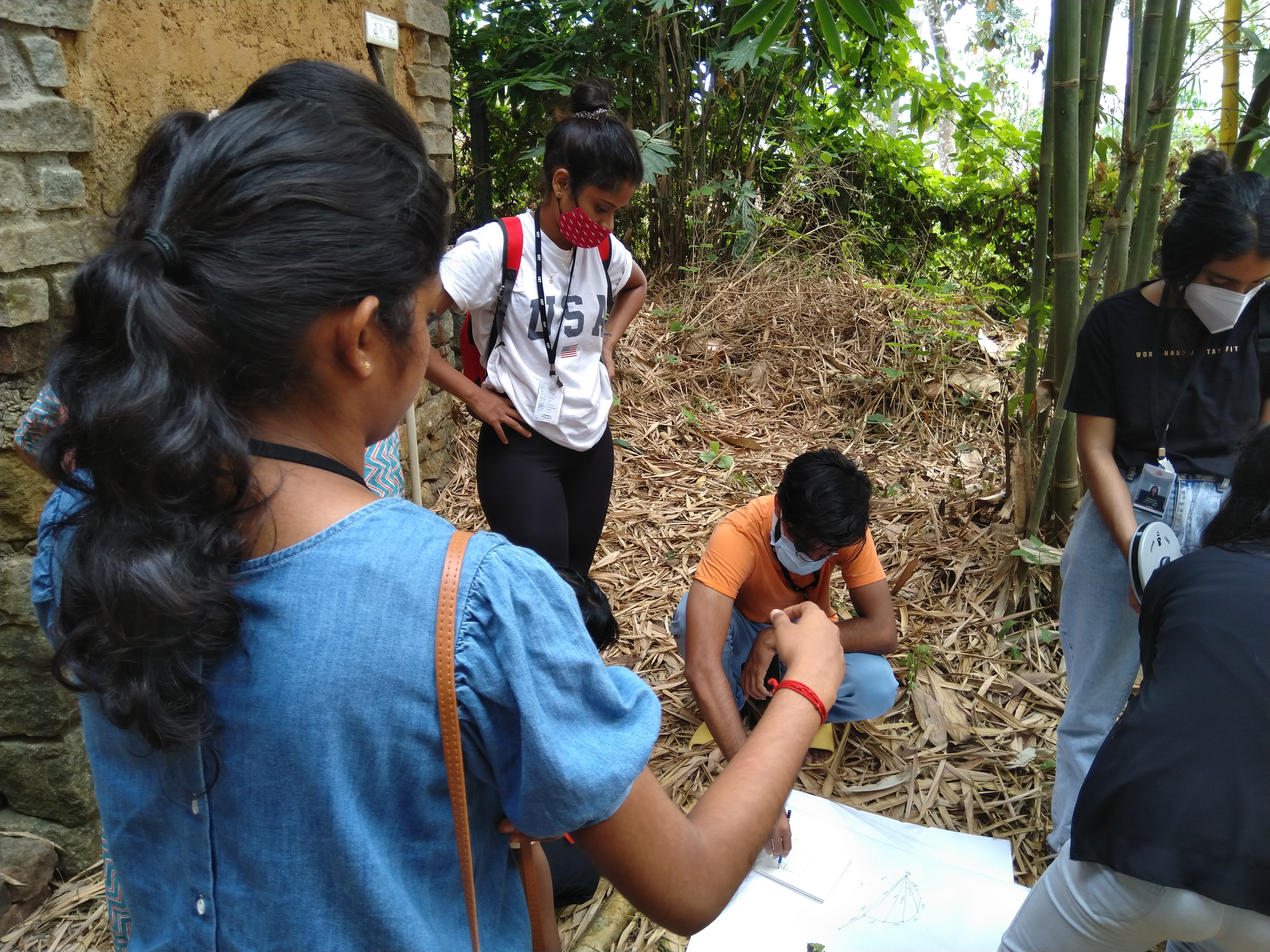
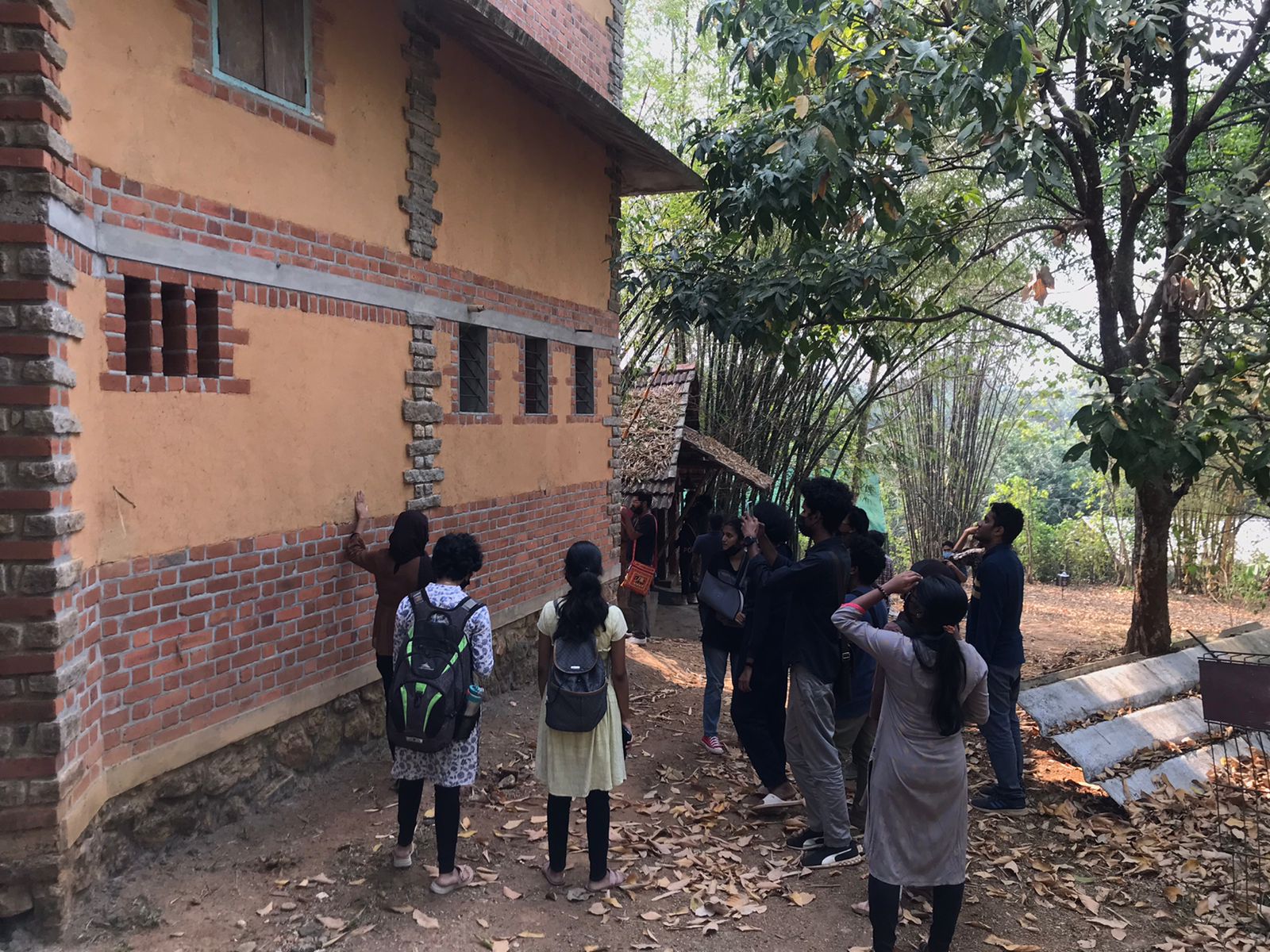
The "Sustainable Engineering Practices" training program is designed to introduce engineering and architecture students to the principles and practices of environmental sustainability. This hands-on, interactive session aims to equip students with the knowledge and skills needed to incorporate sustainability into their engineering projects, professional practices, and daily lives. Central to this program is a deep dive into ecological principles such as resource efficiency, renewable energy utilization, waste reduction, and ecosystem preservation. Students will explore how to design systems that maximize the use of renewable resources while minimizing waste and energy consumption. They will also learn about the importance of maintaining biodiversity and the role of natural ecosystems in sustaining life and regulating the climate. Furthermore, the program covers sustainable materials selection, green building techniques, and the integration of life-cycle assessment in project planning and execution. By understanding these ecological principles, students will be able to innovate and implement solutions that reduce the environmental footprint of their projects. The curriculum emphasizes the interconnectedness of human activities and natural systems, fostering a holistic approach to problem-solving. Understanding environmental sustainability is not just a trend but a necessity in today's world, where the challenges of climate change, resource depletion, and pollution demand urgent attention and action. The program encourages students to think critically about the long-term impacts of their work and to prioritize sustainability in their professional and personal decisions. Through this comprehensive training, students will learn to embrace sustainable practices and ecological principles, ensuring they are well-prepared to contribute to a more sustainable and resilient future. This approach not only benefits the environment but also enhances the social and economic well-being of communities, aligning with global sustainability goals and creating a positive legacy for future generations.

Ecological Research Campus, K.K Road, Velloor P.O Kottayam, Kerala-686501(INDIA)
Contact : +91-9497290339
TIES Communication: +91-9633723305
TIES Office: +91-4812957050
Email : tropicalschool@gmail.com
Alternate Email : contact@ties.org.in