2026-01-10
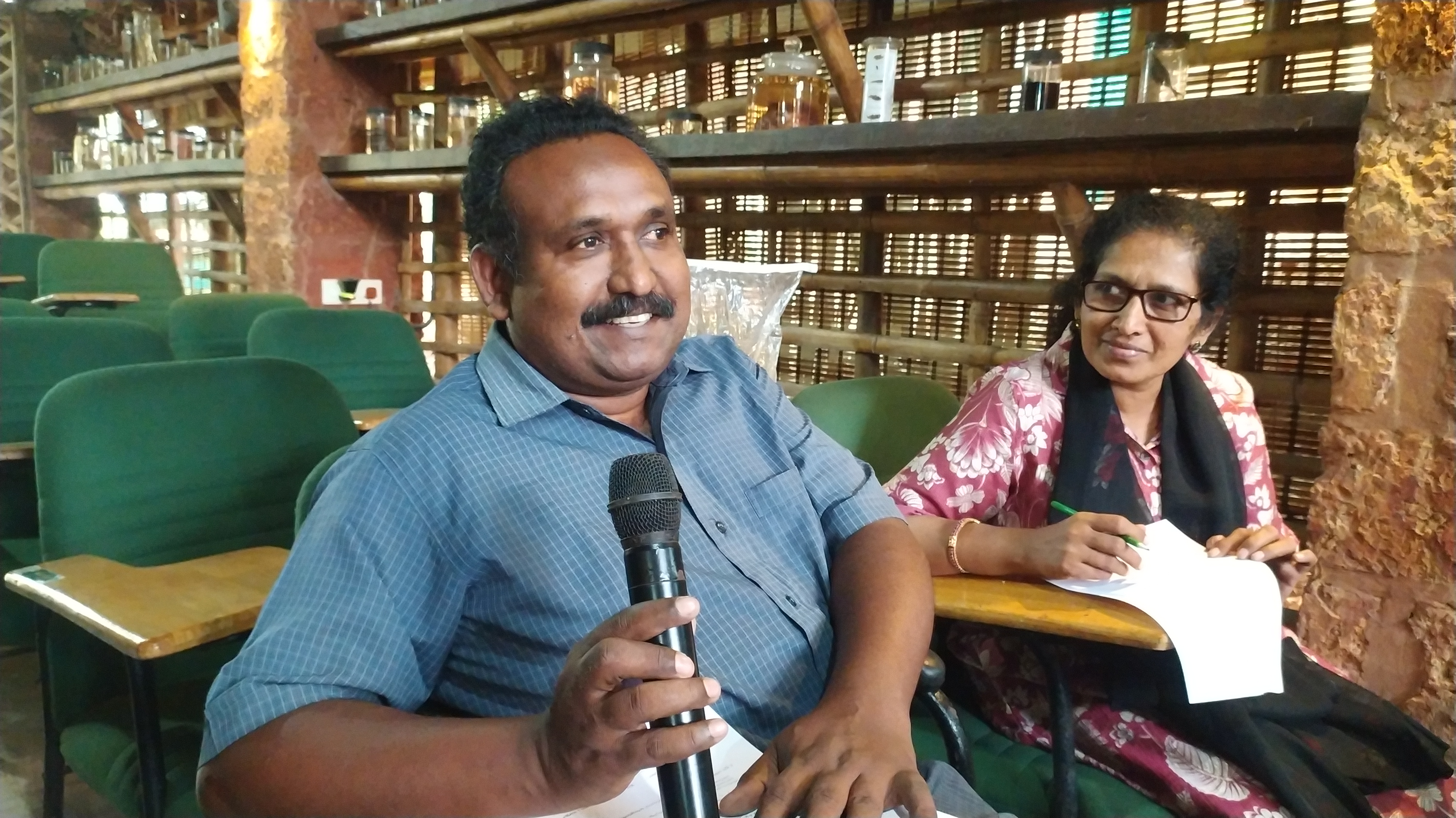
“The training was highly beneficial, with every session exceeding expectations. It was unlike any other programme and was deeply impactful,” said Susy Philip, one of the participants.
Mushrooms are both flavorful and highly nutritious, offering dietary fibre, antioxidants, essential minerals, and healthy fats. Recognising this, they also hold significant potential for supporting sustainable livelihoods.
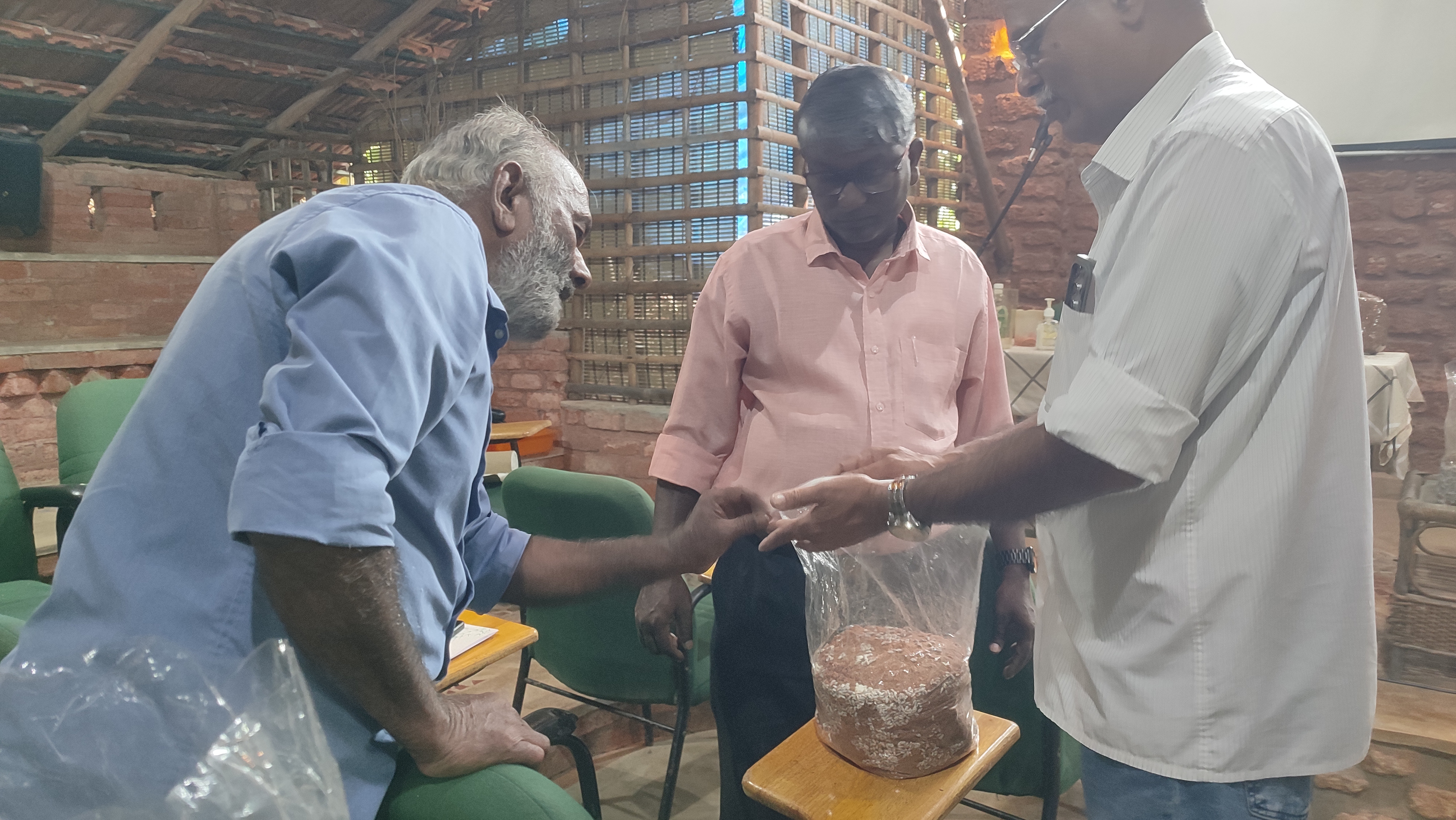
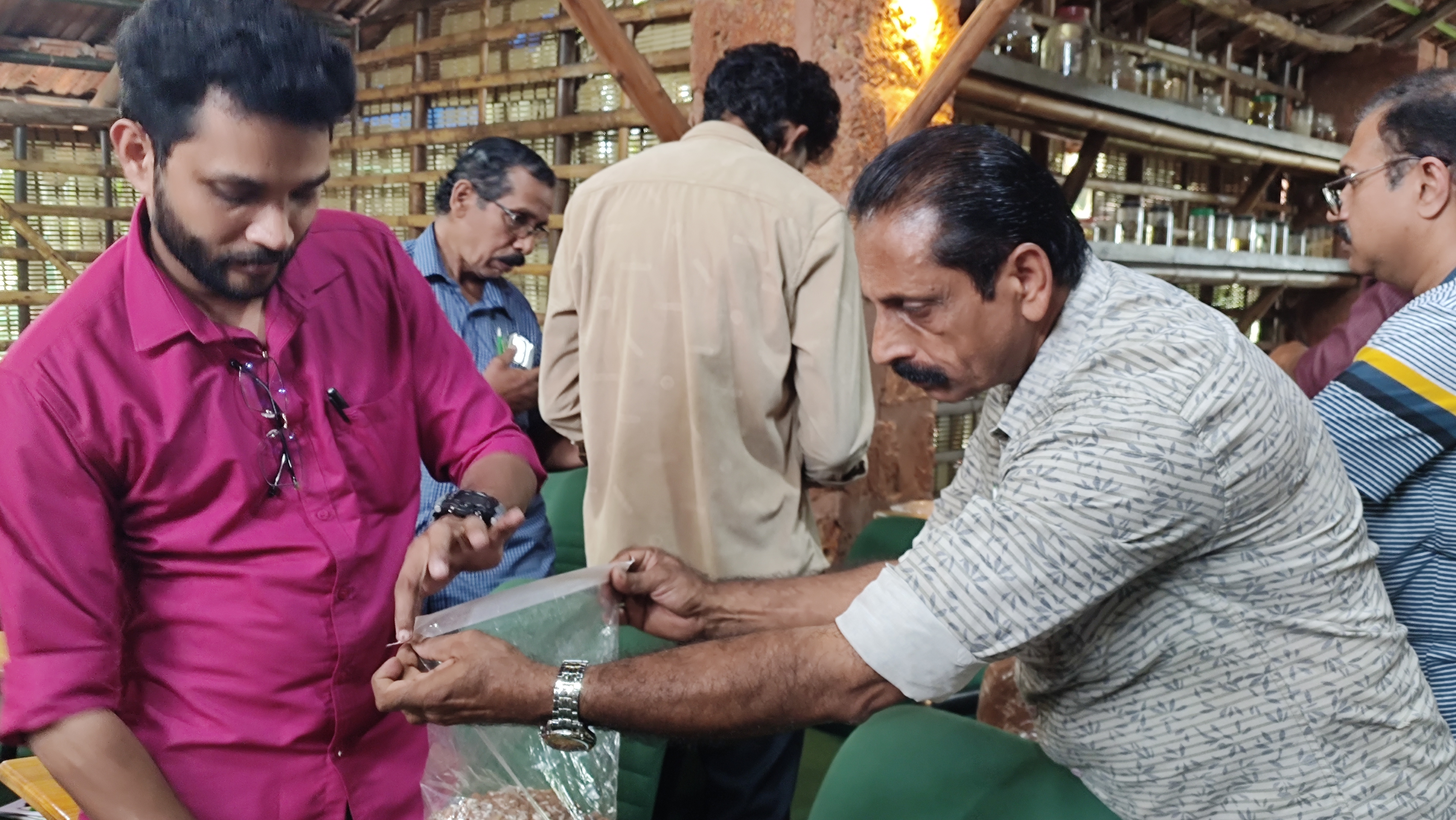
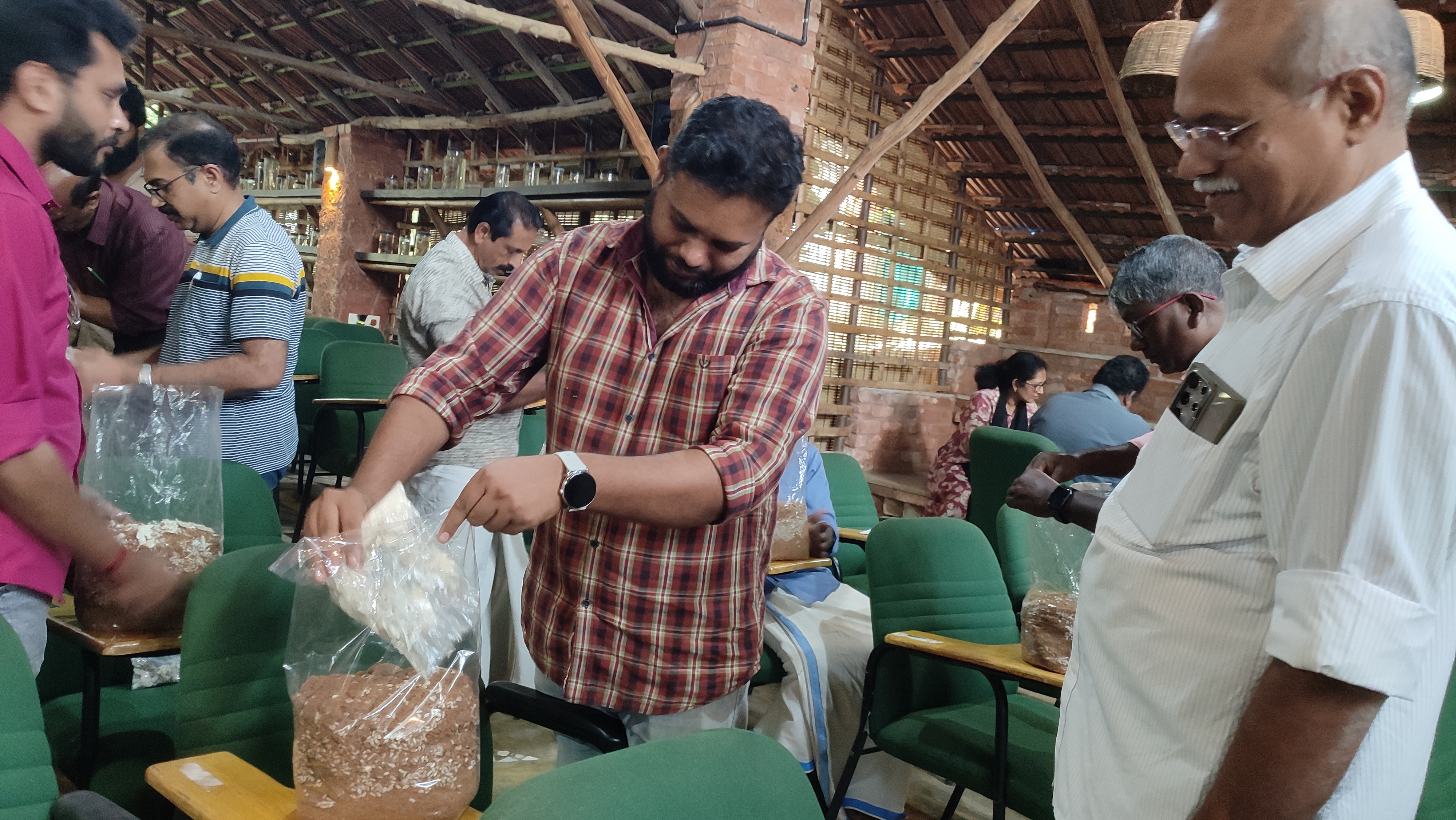
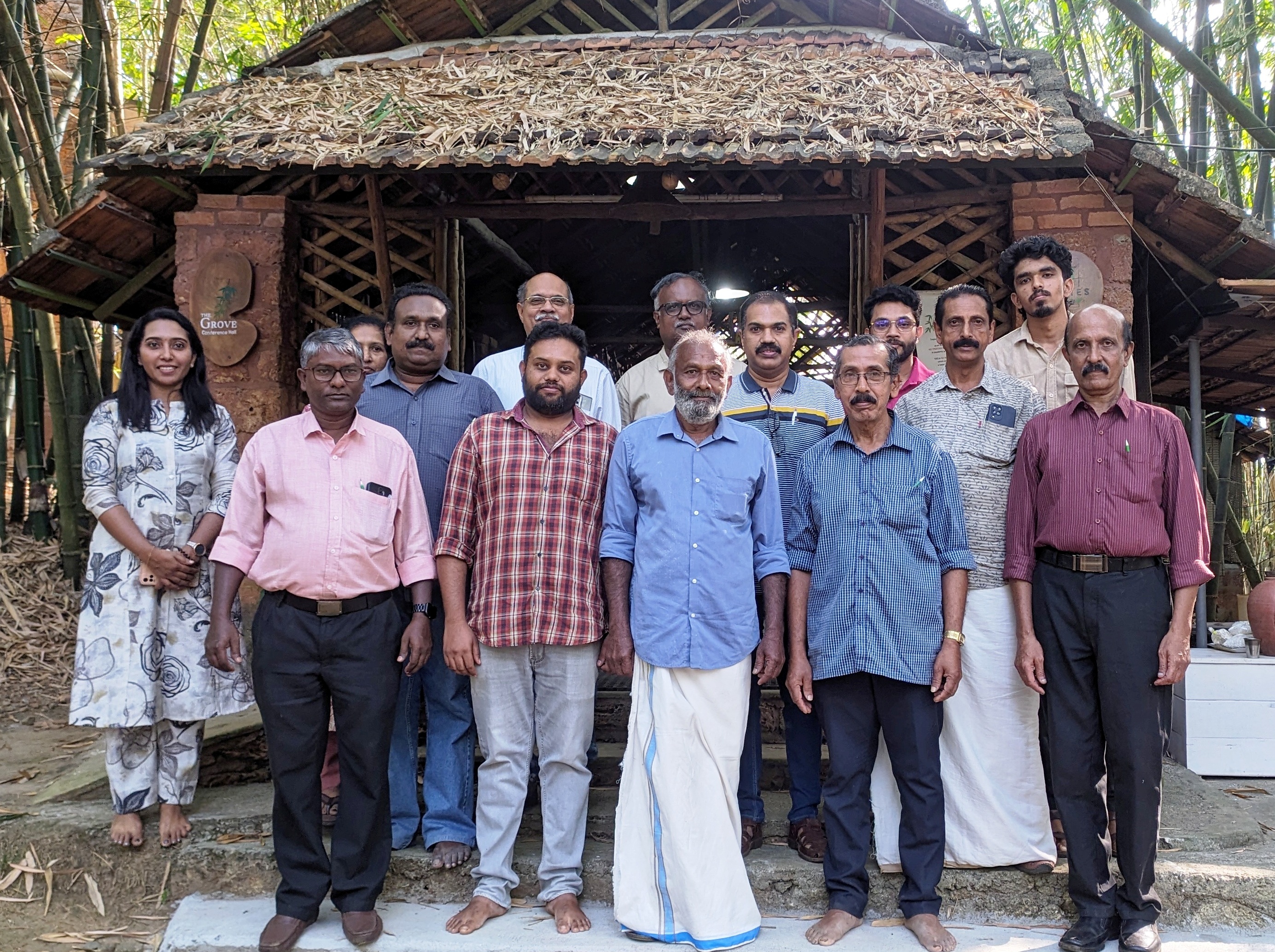
TIES, in collaboration with Malayala Manorama Karshakasree, organised a focused, hands-on training programme on mushroom cultivation that brought together 12 enthusiastic participants. A key highlight of the programme was the introduction of an eco-friendly, pellet-based method for mushroom bed preparation. This innovative approach provides a practical and sustainable alternative to conventional straw beds, making the cultivation process cleaner, simpler, and less labour-intensive.
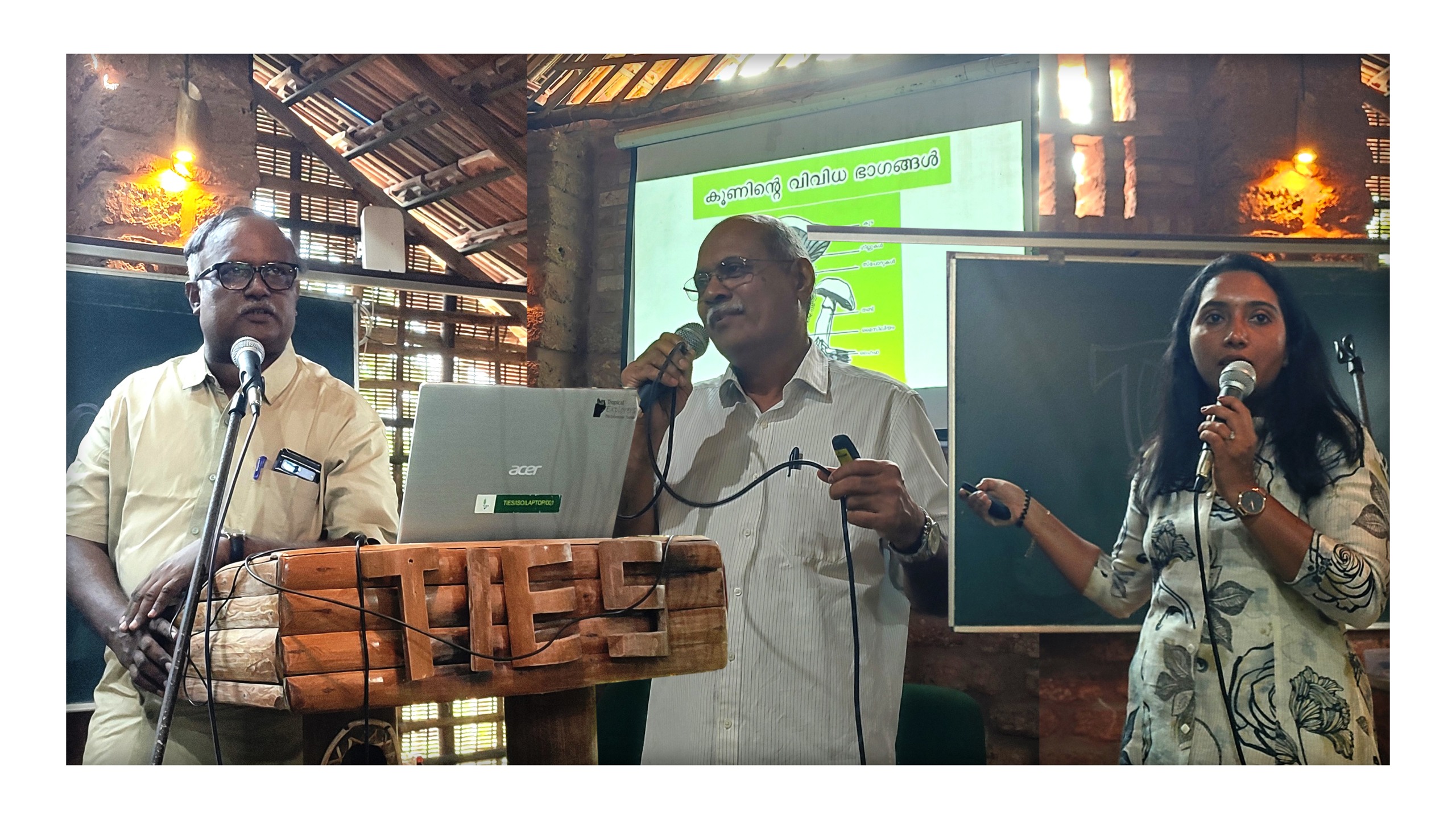
The training programme was organised into two components: a theory session and a hands-on practical workshop. During the theoretical segment, participants were introduced to various mushroom species, tissue culture techniques, mother spawn and spawn production, bed preparation methods, and post-harvest management practices. The practical session enabled participants to translate this knowledge into practice by preparing their own pellet-based mushroom beds.
Participants expressed particular appreciation for the pellet-based method, highlighting its benefits such as lower risk of contamination, improved time efficiency, and easier handling when compared to traditional cultivation techniques.
The sessions were conducted by experienced resource persons, including Dr. Punnen Kurian, Director of TIES; Prof. Sunny Jose, former Head of the Department, St. Xavier’s College, Vaikom; and Ms. Raimol Thomas, Project Assistant at TIES. The programme was effectively coordinated by the TIES team, comprising Sarath Babu N. B., Jijomon P. P., Megha M. M., and Surya S. K. The collaboration between TIES and Karshakasree is highly promising, with strong potential for continued engagement through future programmes and initiatives.

Ecological Research Campus, K.K Road, Velloor P.O Kottayam, Kerala-686501(INDIA)
Contact : +91-9497290339
TIES Communication: +91-9633723305
TIES Office: +91-4812957050
Email : info@ties.org.in
Alternate Email : tropicalschool@gmail.com